Co-curated with care with our partners at the Seminary Co-op Bookstore
1) The Glass Universe by Dava Sobel
Extraordinary women astronomers conducted groundbreaking research to unlock the mysteries of the stars.
Check out Sobel's 2017 Fall Festival conversation.
2) Hidden Figures by Margot Lee Shetterly
The story of black women mathematicians who worked at NASA and helped win the space race.
Check out Shetterly's 2016 Fall Festival conversation with Dr. Rabiah Mayas, Associate Director of the Science in Society research center at Northwestern University.
3) The Immortal Life of Henrietta Lacks by Rebecca Skloot
Framed within the intersections of race, medicine, and ethics, this book tells the story of Henrietta Lacks and her "immortal" HeLa cancer cells, which revolutionized cell research and fueled numerous medical breakthroughs.
4) The Only Woman in the Room by Eileen Pollack
Based on six years of interviews, this is a bracingly honest examination of the social, interpersonal, and institutional barriers confronting women in STEM fields.
5) Ada's Algorithm: How Lord Byron's Daughter Ada Lovelace Launched the Digital Age by James Essinger
An absorbing biography of mathematician Ada Lovelace, who founded scientific computing in the 19th century.
6) Programmed Inequality: How Britain Discarded Women and Lost Its Edge in Computing by Marie Hicks
An exploration of labor feminization and gendered technocracy that undercut British efforts to computerize.
7) Inferior: How Science Got Women Wrong and the New Research That's Rewriting the Story by Angela Saini
An investigation of the gender wars in biology, psychology, and anthropology that also reveals groundbreaking research about women's brains, bodies, and role in human evolution.
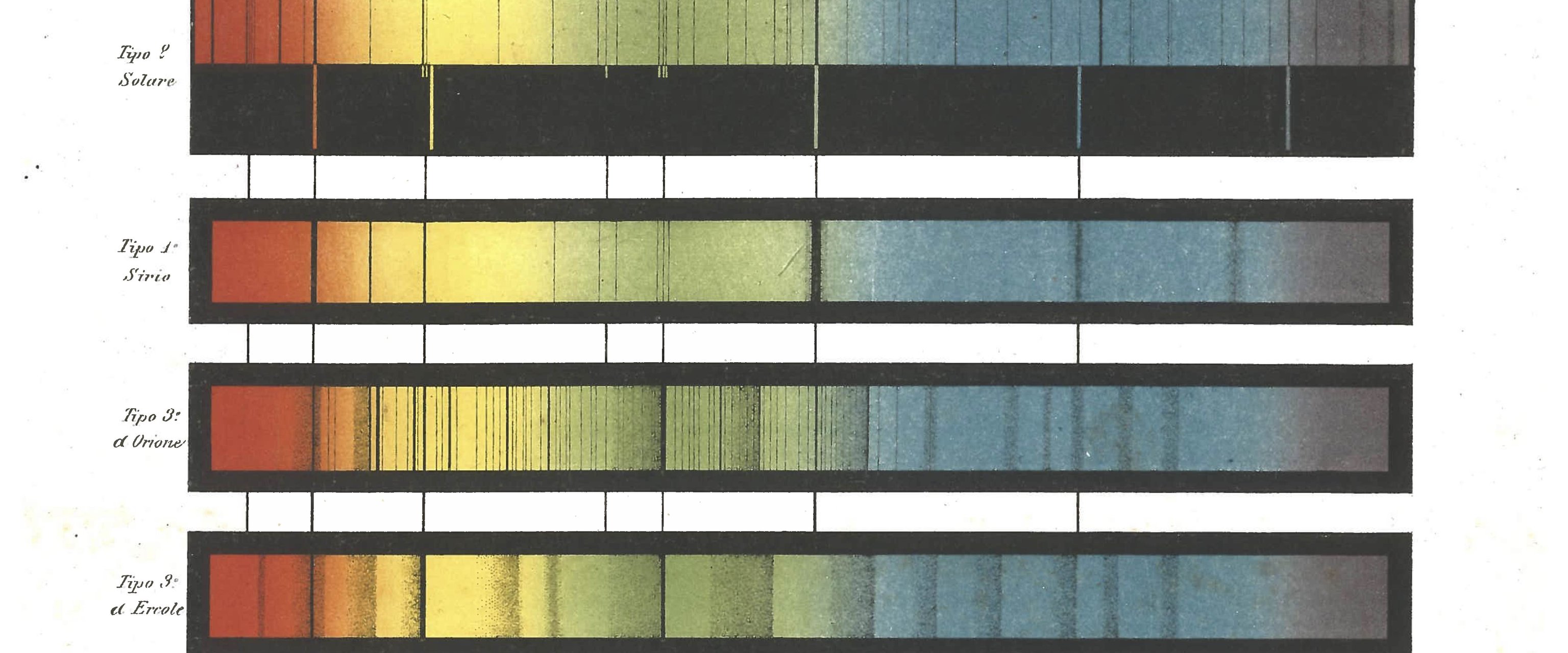
Image credit: Dark Fraunhofer lines cutting across the rainbow spectra of the Sun and other stars gave Father Angelo Secchi of the Vatican Observatory a means of categorizing the various stellar types. This image from his 1877 book, Le Stelle: Saggio di Astronomia Siderale, shows examples of the classes he identified. Credit: Angelo Secchi, Le soleil, 1875-1877
Become a Member
Being a member of Chicago Humanities is especially meaningful during this unprecedented and challenging time. Your support keeps CHF alive as we adapt to our new digital format, and ensures our programming is free, accessible, and open to anyone online.
Make a Donation
Member and donor support drives 100% of our free digital programming. These inspiring and vital conversations are possible because of people like you. Thank you!