Sarah Burns: Corruptible Flesh - Art & Necrophilia in Chicago
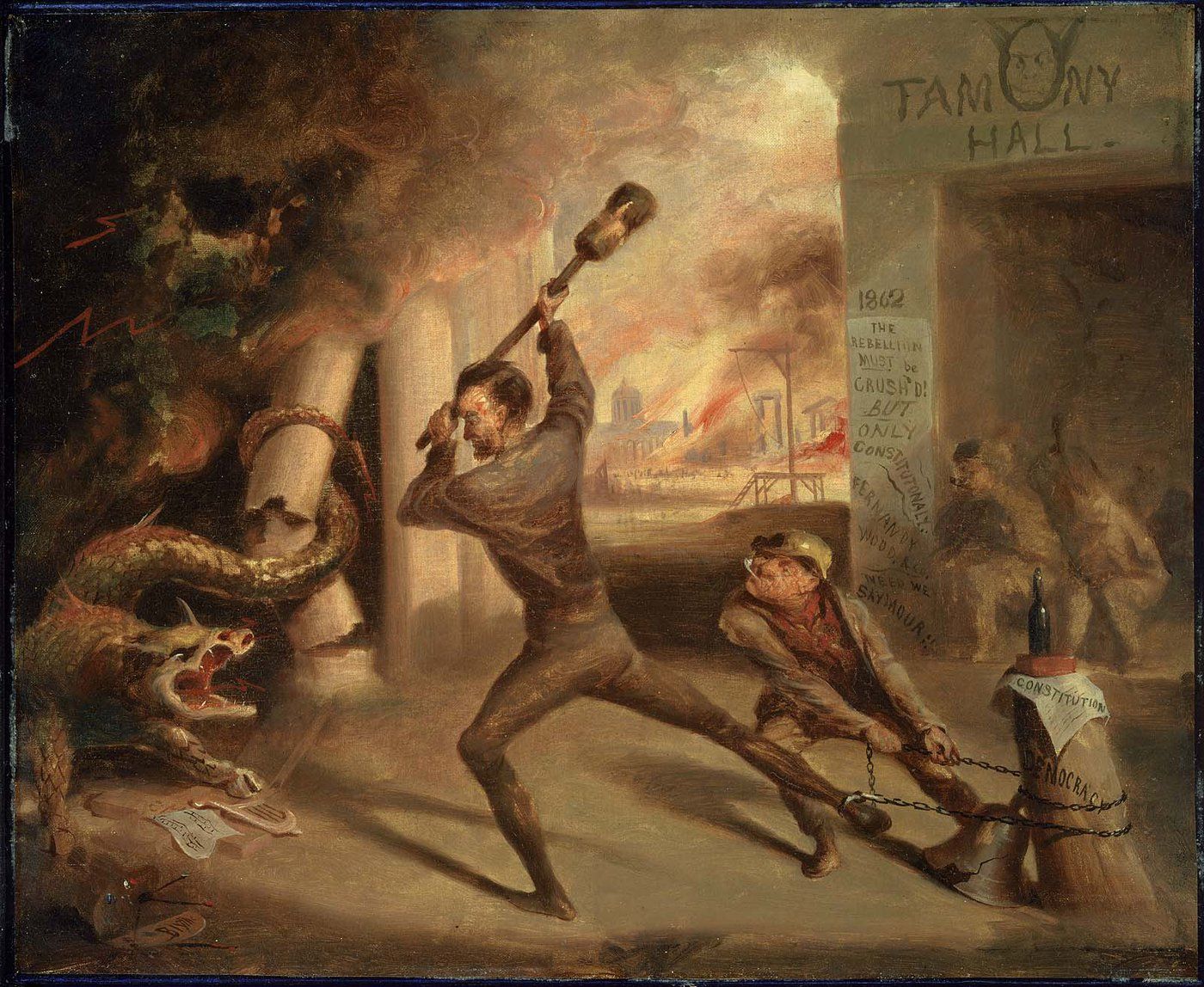
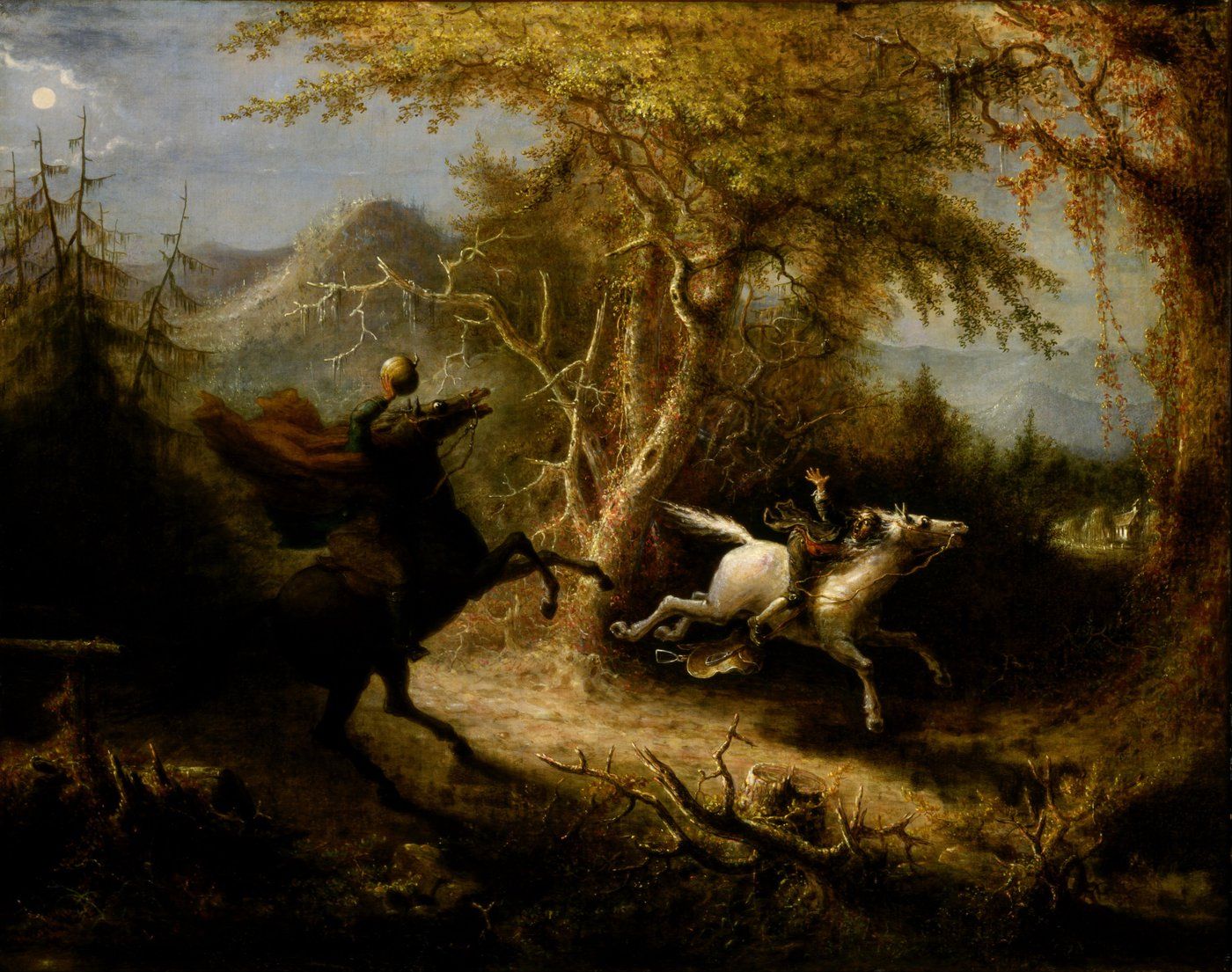
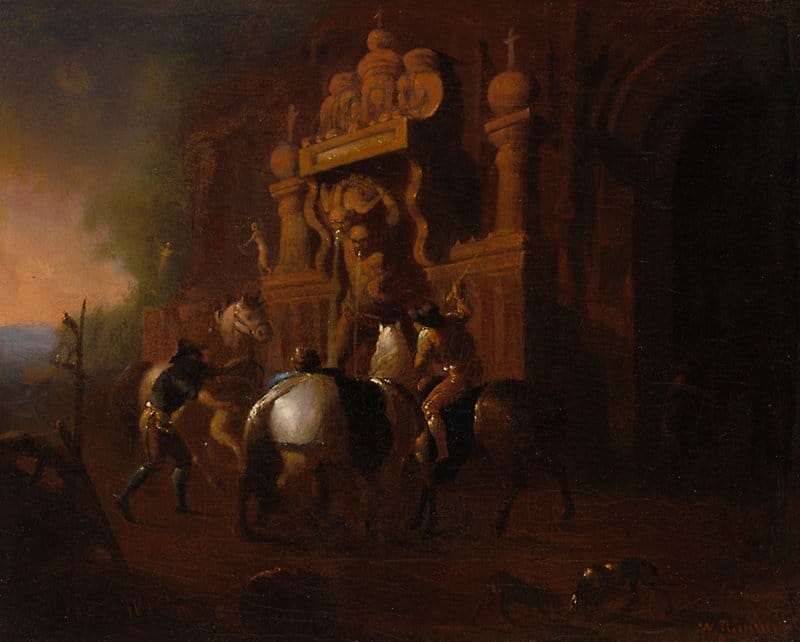
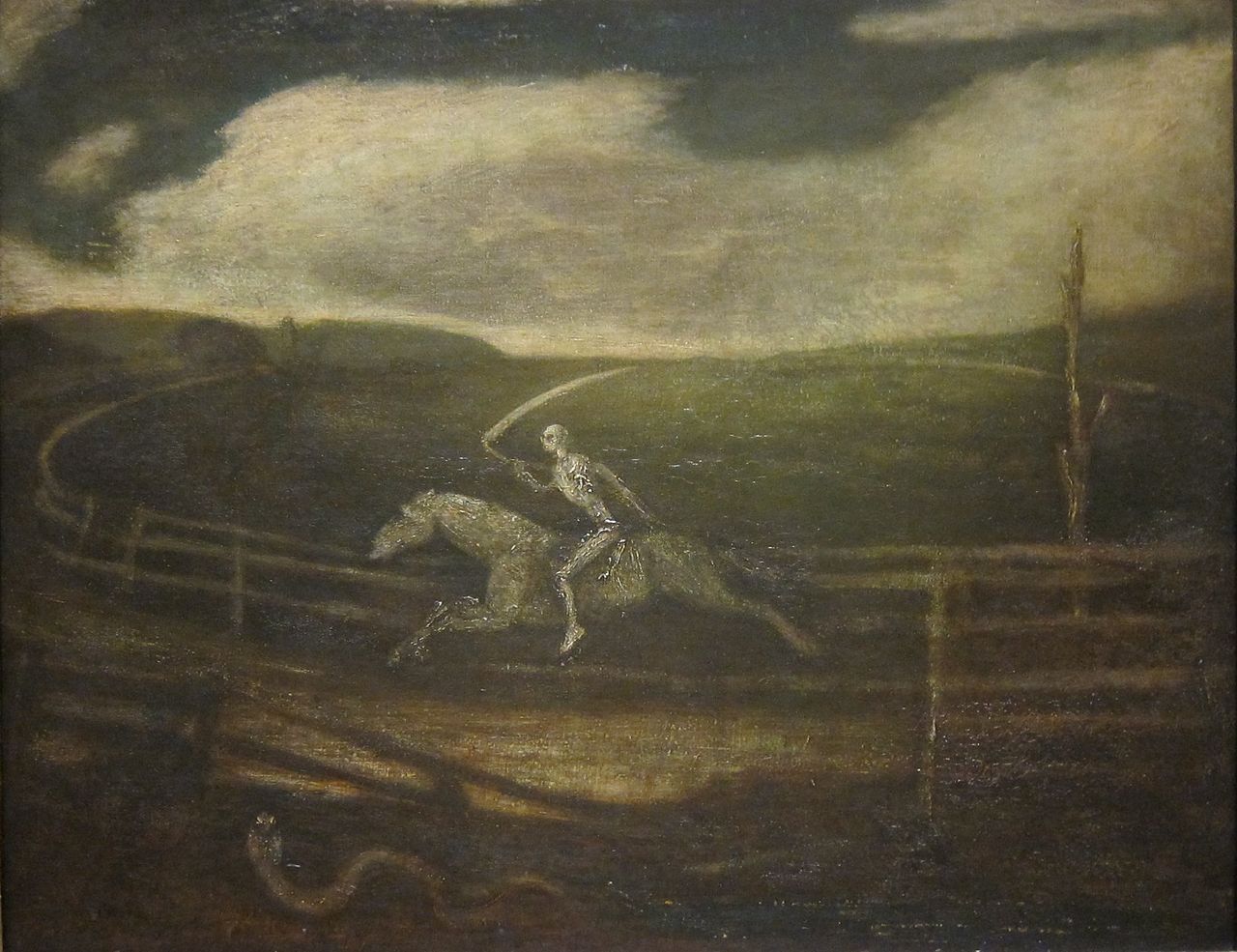
The gothic, or dark side of American life has its most familiar chroniclers in writers Nathaniel Hawthorne, Herman Melville, and Edgar Allen. But who were the Poes of American art? Many art historians have considered the gothic the territory of misfits and oddballs who rejected the bright landscapes and bucolic scenes of everyday life depicted by mainstream artists of the late 19th and early 20th centuries.
Art historian Sarah Burns offers as counterpoint her view that the gothic tradition was a pervasive and potent visual language, deployed to express darker elements of history and the human psyche. Widely recognized as one of the leading and most influential scholars in American art history today, Burns is Ruth N. Halls Professor of History of Art at Indiana University, where she has been a member of the faculty since 1979. Her books include Pastoral Inventions: Rural Life in Nineteenth-Century American Art and Culture, Inventing the Modern Artist: Art and Culture in Gilded Age America, and Painting the Dark Side: Art and the Gothic Imagination in Nineteenth-Century America.
This annual lecture recognizes a generous multiyear grant from the Terra Foundation for American Art. The Terra Foundation is dedicated to fostering the exploration, understanding, and enjoyment of the visual arts in the United States for national and international audiences.

Become a Member
Being a member of Chicago Humanities is especially meaningful during this unprecedented and challenging time. Your support keeps CHF alive as we adapt to our new digital format, and ensures our programming is free, accessible, and open to anyone online.
Make a Donation
Member and donor support drives 100% of our free digital programming. These inspiring and vital conversations are possible because of people like you. Thank you!